The Voices of Villainy: Darth Vader, Bane, Agent Smith and More

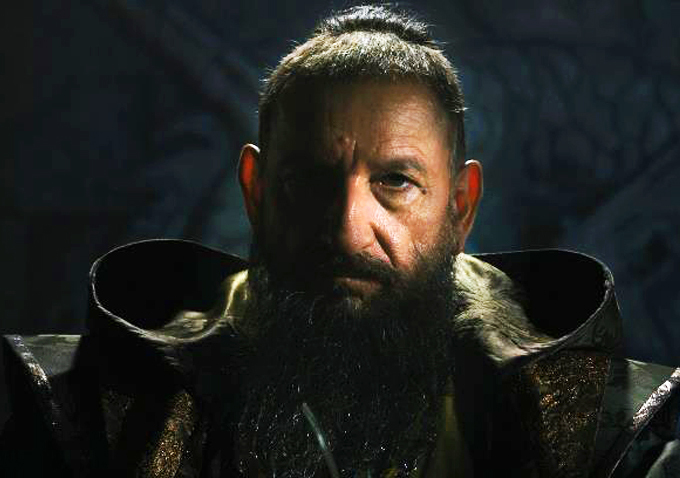
The Mandarin 2With the release of Iron Man 3 just months away, Marvel fans are watching and re-watching the handful of Iron Man 3 trailers available on YouTube. And, if you’re like me, you’ve noticed the slow cadence of Ben Kingsley’s voice as the Mandarin. “Some people call me a terrorist,” he says, slowly and deliberately, “I consider myself a teacher. Lesson No. 1: Heroes. There is no such thing.” Then explosions and all hell breaks loose.

Kingsley’s voice as the Mandarin reminded me of the voice Tom Hardy used for Bane in The Dark Knight Rises. It, too, is slow and calculated. His voice is something between a purr and a growl when he says, “When Gotham is ashes, you have my permission to die.” Then, again, explosions and chaos.

Wicked WitchThis made me think: How many movie villains are defined, in some way, by their voice? There are, of course, some classic villains with classic voices, like James Earl Jones as Darth Vader. Dracula is another. Gary Oldman in Coppola’s Dracula and Richard Roxburgh in Van Helsing, among others, have given Dracula his Transylvanian tongue. And there’s Margaret Hamilton as the Wicked Witch of the West in the 1939 The Wizard of Oz. Her voice was part of the reason that I was too afraid to watch The Wizard of Oz as a kid. And as a pre-teen. And teen.

Continue reading

Review: Oz the Great and Powerful (2013): “We love you, Zach Braff!”

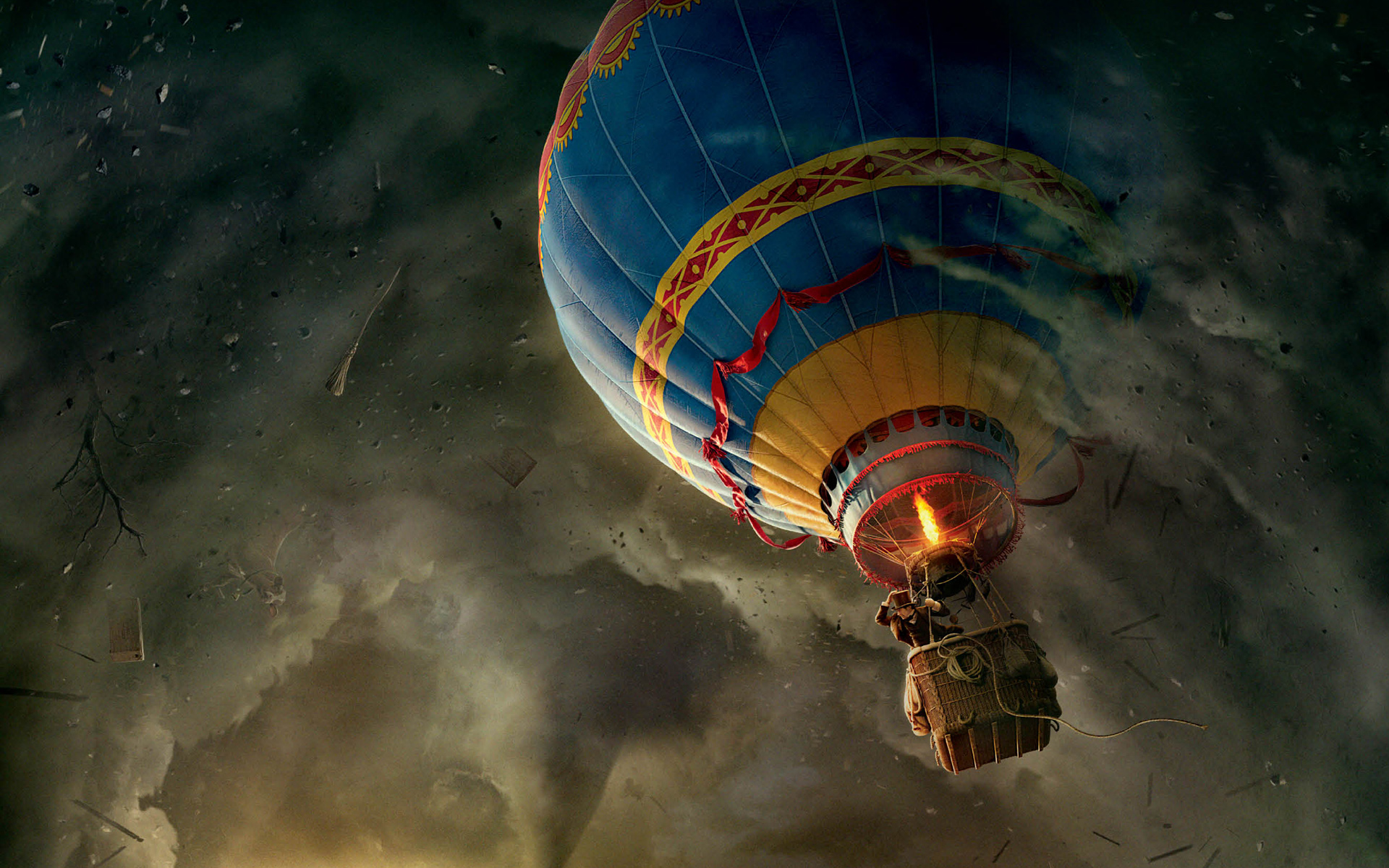
Oz BalloonOz the Great and Powerful suffers from some inconsistencies. The pacing is questionable, and James Franco occasionally confuses Oz with his character on General Hospital. But, all in all, the movie is enjoyable, and a great deal of the credit goes to Zach Braff.

Zach Braff plays Finley, Oz’s talkative, winged-monkey sidekick. Though the movie focuses on the plights of Oz, including Oz’s awkward love quadrangle with Theodora, Evandora, and Glinda, Finley steals the show whenever he appears on screen. Finley’s banter with Oz has enough of the spunk and humor of Scrubs that Oz the Great and Powerful could almost be an extended John Dorian daydream.

Oz Monkey and DollOther characters have their moments, of course. Rachel Weisz is a wonderful Evanora; Michelle Williams inspires as the uplifting Glinda; and Mila Kunis gives a decent performance as Theodora. And there’s the awesome China Girl, voiced by Joey King. Director Sam Raimi also comes across as talented, given the film’s stunning visual effects. Still, even as Franco soared above a beautiful CG world in a bubble, I found myself hoping that Finley would say something again. Continue reading

Romantic Movie Moments You Shouldn’t Attempt at Home: The Sequel

CoolscanSPOILERS

Romantic movies are filled with inspirational moments, but some of these moments are better left on the screen. We must be careful what we try in real life. In 2011, I wrote an article about the possible downfalls of real-life adaptations of certain films, including Serendipity and Breakfast at Tiffany’s. Now, in an attempt to further help fellow romantics, I’ve added three more films to that list. For your safety and emotional well-being, do not try these moments at home.

City of Angels (1998)

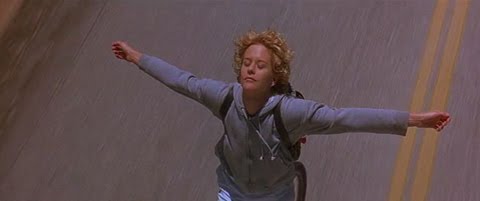
City of AngelsSafety first. If you are lucky enough to spend a weekend at Lake Tahoe with an angel who literally fell from the sky to be with you, take care of yourself. Don’t ruin it by biking through the hills with your eyes closed. Maggie Rice, a lovely nurse who enjoys rain and dangerous activities, captures the attention of Seth, an angel. After a long and bizarre courtship, Seth and Maggie end up together in a California paradise. They have everything they could ever want—except for pears. So Maggie heads out to get some pears and decides to play a game of peekaboo with traffic. Maggie dies, and Seth mourns. It’s all very sad, but it could have been avoided if Maggie had kept her eyes open. Or had worn a helmet.

Love Actually GoodLove Actually (2003)

This movie features a variety of romantic moments, including scenes of feel-good cuteness (Hugh Grant caroling), endearing awkwardness (Martin Freeman and Joanna Page), and intriguing emotion (Emma Thompson forgiving Snape). Few of the movie’s scenes are anchored in reality, but there is one scene that would be especially horrible to try in real life. Mark, played by The Walking Dead‘s Andrew Lincoln, is in love with his best friend’s wife. So, in an attempt to be honest at Christmastime, Mark knocks on his friend’s door, pretends to be a caroler, and secretly tells Keira Knightley about his feelings using cue cards. Friends: Do not try this. Not only does Mark break the bro code by hitting on his best friend’s wife, he tells her that he will love her forever. Romantically. Forever. This means that every future get-together will have an awkward, love-triangle cloud hanging over it. He’s doomed them to uncomfortable group vacations and unpleasant dinner parties for the rest of their lives. Maybe he can apologize to both of them with a PowerPoint slideshow.

WALL·E (2008)

WALL-E and EVESome may not consider WALL·E to be a love story, but the plot is filled with romance. A robot meets the robot of his dreams, falls in love, and then follows her across the universe. WALL·E and EVE literally dance among the stars. The romantic moment that shouldn’t be tried at home, however, occurs when WALL·E first sees EVE on Earth. WALL·E is a lone hoarder who has been stranded on Earth for years with only a cockroach for company. EVE is the first romantic possibility that has crossed his path in a long time. So, while their love proves true in the end, WALL·E really just started flirting with the first option that appeared. WALL·E was desperate. If there were an OkCupid for robots, WALL·E would have a profile. “Hobbies: Sorting trash on an abandoned planet.” “Interests: Fred Astaire.” In other words, WALL·E got lucky. EVE turned out to be the best choice, but WALL·E went for her because she was the only choice. When it comes to love, everyone has a right to be choosy, including WALL·E.

Review: A Good Day to Die Hard (2013): “You know what? Excelsior.”

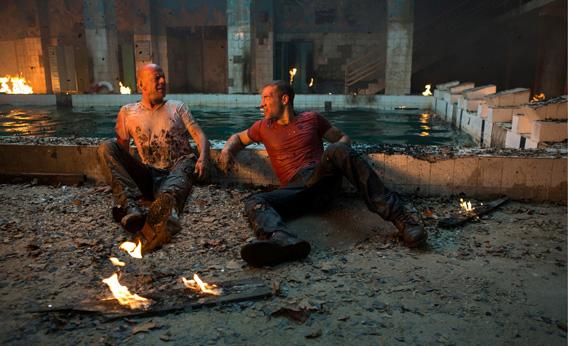
Good Day to Die HardFor a movie that prides itself on yippee-ki-yay-style action, A Good Day to Die Hard is well-peppered with awkward one-on-one dialogue. The new Die Hard movie has the usual explosions, gunfights, and cliched one-liners—writers replaced John McClane’s usual “I’m too old for this” catch phrases with the more original, “I’m on vacation!”—but those scenes are just toppings on a cake of weird conversations and unnecessary interactions.

The relationship between John McClane and his son, Jack McClane, is like the relationship between Bradley Cooper and Robert De Niro in Silver Linings Playbook, except without the emotional nuance and Oscar-nominated performances. Both films contain strained father-son relationships. Both pairs have communication problems. In the opening scenes of A Good Day to Die Hard, John disrupts an elaborate rescue mission by attempting to manufacture heart-to-hearts amid gunfire and car chases. McClane’s journey toward suburban-style parenting is a long one, and his son is more understanding that he should be. More understanding than I was.

A-Good-Day-to-Die-Hard BrosWhile John and Jack gushed about guns and feelings, I imagined what the movie would be like if it really were a blend of Die Hard and Silver Linings Playbook.

John McClane: “Just sit down, come on. Help turn the juju around. The CIA is stupid.”

Jack: “What? Stupid? How is—you know what? Excelsior.”

John McClane: “What the f*** is ‘excelsior’?”

Jack: “You know what I’m gonna do? I’m gonna take all this negativity, and I’m going to use it to find a silver lining. I’ll be the best CIA agent ever. Better than Tony Mendez.”

Good Day to Die Hard PalsI’d watch that movie. Die Hard Playbook. At least that movie would better analyze the father-son dynamic that Die Hard both highlights and under-develops. And maybe it would feature a CarterDanny hybrid, a character played by Chris Tucker who would wisecrack his way into dangerous situations and then sweet-talk his way to freedom. And Jennifer Lawrence would be there. So many possibilities.

John Moore: Director

Skip Woods and Roderick Thorp: Writing

Bruce Willis and Jai Courtney: Stars

Review: Beautiful Creatures (2013): “For goodness’ sake, read a book!”

Beautiful Creatures 2SPOILERS

Let me first respond to some would-be frequently asked questions: Yes, I tend to enjoy film adaptations of young adult novels, including The Hunger Games and Warm Bodies. No, I don’t think Beautiful Creatures is the same as Twilight. Yes, I wish I had superpowers. And no, I have not yet read the book by Kami Garcia and Margaret Stohl.

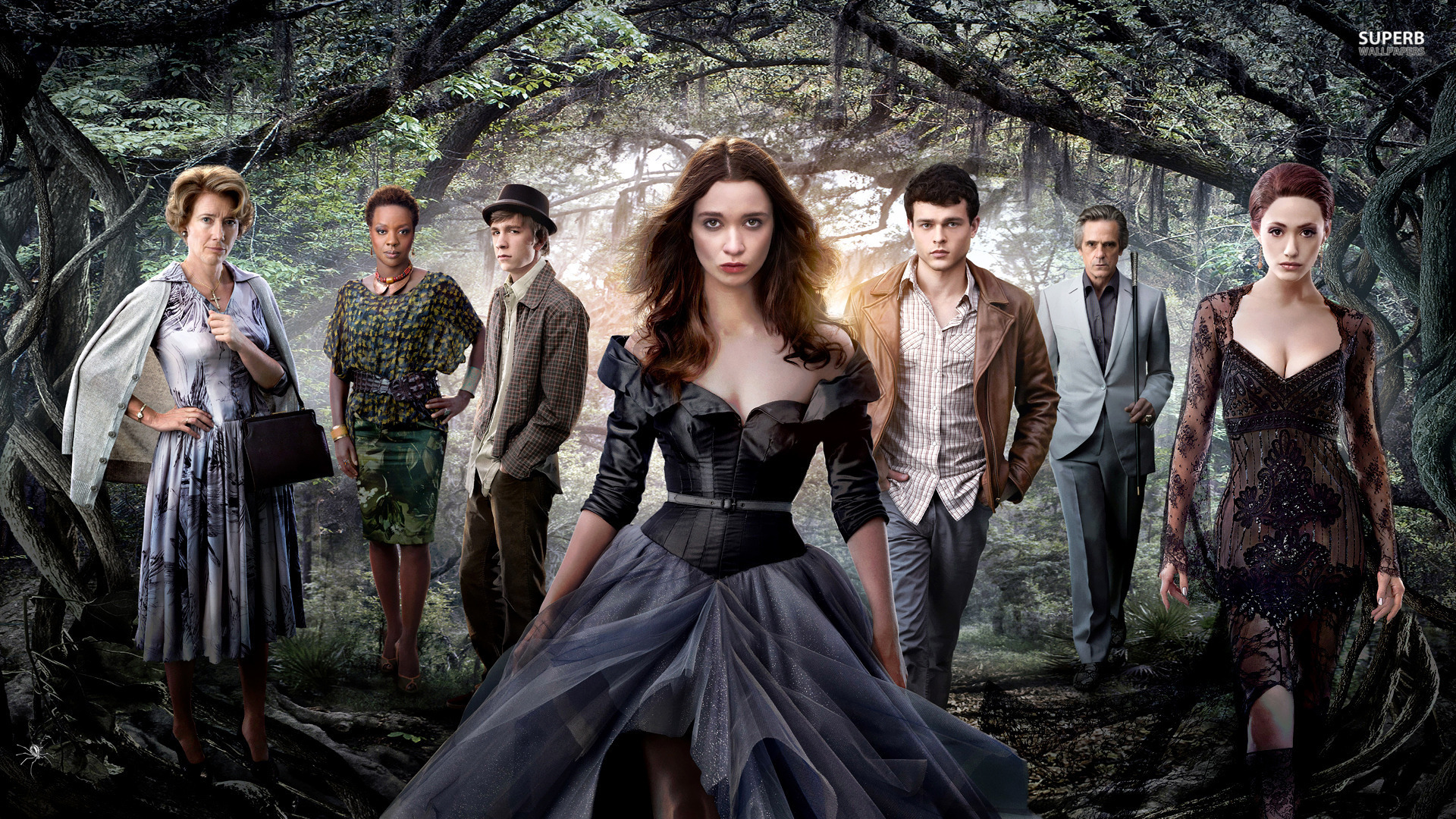
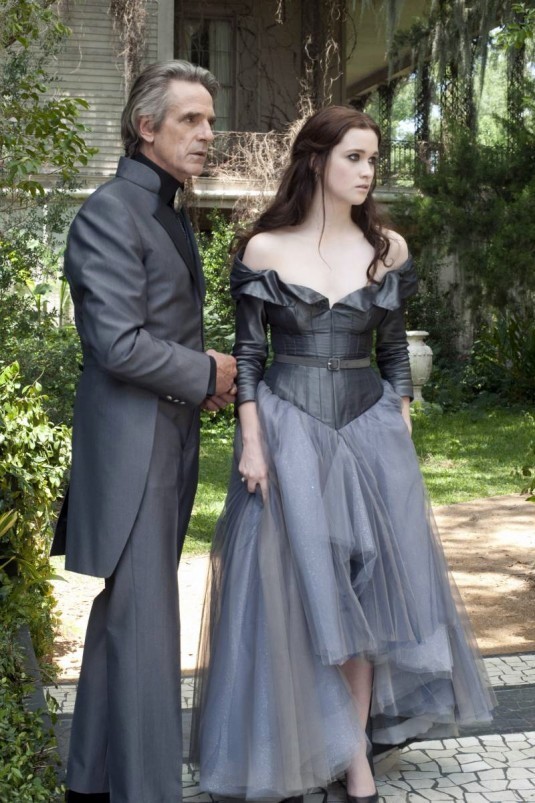
Beautiful Creatures is the heartwarming story of a Southern boy, Ethan, who falls for a socially marginalized new-to-town classmate, Lena Duchannes. As it turns out, Lena comes from a family of “Casters,” which includes Scar from The Lion King her rich, well-spoken uncle, Macon Ravenwood, played by Jeremy Irons. Ethan and Lena eventually date, but their romance is, of course, complicated. The Southern boy and his superpowered boo must overcome small-town prejudices, Civil War curses, and an overbearing, powerful, and previously-absent mother.

Beautiful Creatures MaconBut that plot, which is neither bad nor completely original, is almost secondary to the pro-intellectualism subtext that runs throughout the film. The movie opens with Ethan, a stereotypical bound-for-better-things sort of protagonist—”My momma says there’s two types of people that live in Gatlin: the people too stupid to leave and the ones too stuck to move”—who enjoys reading banned books. And Gatlin has banned a lot of books. The fictional town of Gatlin is portrayed as a conservative, hyper-religious, aggressively traditional small town that enjoys Civil War reenactments.

But Gatlin-ians are also stupid. Or ignorant. Either way, they’d rather ban books than read them, and they constantly butcher the titles of the few popular movies that happen to show at their one movie theater. Macon, Lena’s cultured uncle, once refers to the local high school as “the institution that Gatlin presumes to call educational.” And his snark seems justified.

Despite the fact that Macon’s ancestors were founders of Gatlin, Lena and her family are outcasts, social pariahs. Placing the Duchannes family on the margins of society emphasizes the difference between Castors and other mortals, of course, but it also highlights the difference between the intelligent and the reactionary, the well-read and the book banners, the cultured and the close-minded. Macon hates non-Castors, but he doesn’t dislike them because they tend to persecute his kind—he seems to dislike them because they’re unaware, uneducated, shallow.

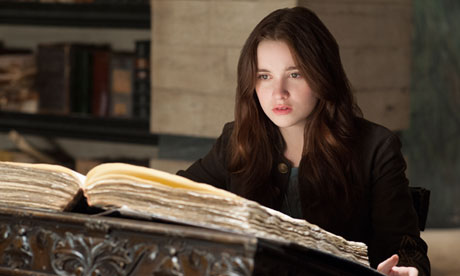
Beautiful CreaturesThere is only one library in Galtin, and all of the good, likable characters are somehow connected to it. Amma, Ethan’s caretaker and Macon’s confidant, works at the library, and Lethan (Lena and Ethan) visits the library frequently. Contrarily, the film’s antagonists seem repulsed by literature. The stuck-up high school bullies, Emily and Savannah, chastise Ethan for reading banned books and throw a public-prayer-filled fit when they’re asked to read To Kill a Mockingbird for English class.

The film is nuanced enough that it doesn’t further dichotomize the silly intellectualism-versus-religion discussion; instead, it offers viewers the opportunity to watch various possible reactions to ignorance. These case studies come in the form of Castors. Some Castors are good, and others are evil. But all Castors seem to lament the narrow-mindedness of other mortals. The evil ones choose to fight back, to rule the morons. The good ones choose to love the mortals, despite their flaws. In the end, the film decides to abandon the polarization altogether: “There’s a new world mama. It ain’t all dark, and it ain’t all light, and it ain’t all ours.” Maybe that’s a decent goal: Neither mock the uneducated nor tolerate ignorance. Find the middle ground.

Richard LaGravenese: Director

Richard LaGravenese: Screenplay

Alden Ehrenreich and Alice Englert: Stars


Ben Boruff is a co-founder of Big B and Mo’ Money, and he reviews indie comics for ComicBastards.com. Some of his favorite directors are Whit Stillman, Seijun Suzuki, Noah Baumbach, Kathryn Bigelow, Stanley Kubrick, Antione Fuqua, Don Hertzfeldt, Adam McKay, and Tom Hooper.  Follow him on Twitter: @BenMagicAwesome.

The 85th Academy Awards: Big B’s Oscar Predictions

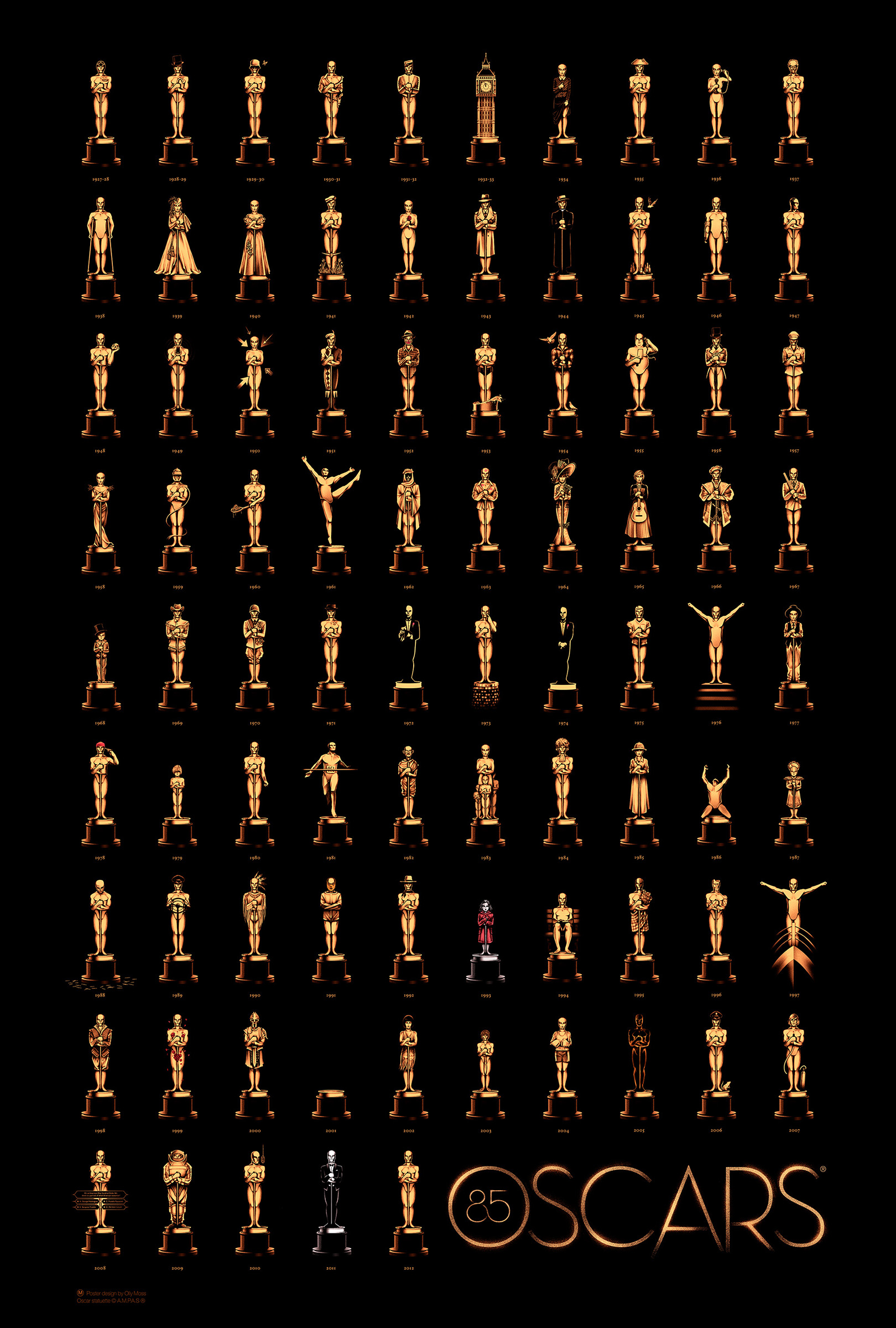
Oscar PosterBest Actress

Should win: Emmanuelle Riva, “Amour”

Will win: Jennifer Lawrence, “Silver Linings Playbook”

Best Supporting Actress

Anne Hathaway, “Les Misérables”

Best Actor

Daniel Day-Lewis, “Lincoln”

Best Supporting Actor

Tommy Lee Jones, “Lincoln”

Honorable Mention: Robert Di Niro, “Silver Linings Playbook”

Best Picture

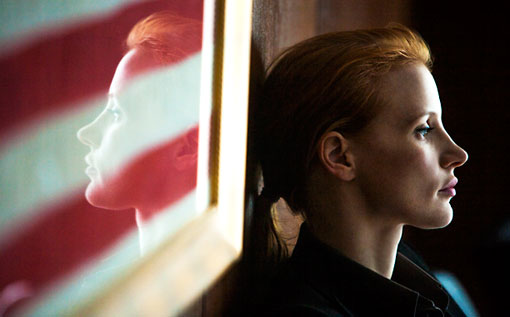
Should win: “Zero Dark Thirty”Zero Dark Thirty

Will win: “Argo”

Honorable Mention:Les Misérables”

Best Director

Steven Spielberg, “Lincoln”

Best Animated Feature FilmWreck-It Ralph

Should win: “Wreck-It Ralph”

Will win: “Brave”

Best Production Design Continue reading

On the Censorship of Film

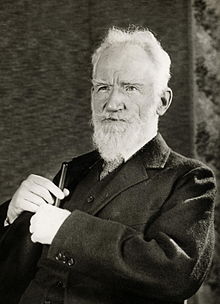
George Bernard ShawAuthors have long condemned most (often all) forms of censorship. Susan Sontag wrote, “I am against censorship. In all forms.” Salman Rushdie stated that the “creative act requires not only freedom but also this assumption of freedom. If the creative artist worries if he will still be free tomorrow, then he will not be free today.” And playwright George Bernard Shaw discussed the relationship between censorship and stagnation:

“All censorships exist to prevent anyone from challenging current conceptions and existing institutions. All progress is initiated by challenging current conceptions, and executed by supplanting existing institutions. Consequently, the first condition of progress is the removal of censorship.”

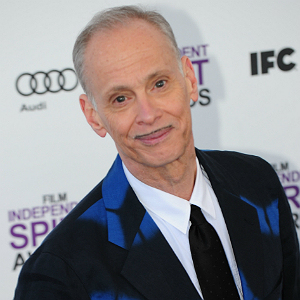
But what of filmmakers? Since there have been movies, there has been censorship of film. John Waters’s 1972 Pink Flamingos was banned in several small towns in the US, and the 1932 film Scarface (presented by Howard Hughes, not Brian De Palma) was banned in a John Watersfew areas in the United States for violence. And in some other countries, the battle against censorship rages more intensely. Chinese director Xie Fei said that China’s system of censorship “has only become a corrupt black spot for controlling the prosperity of the cultural and entertainment industry, killing artistic exploration and wasting administrative resources.”

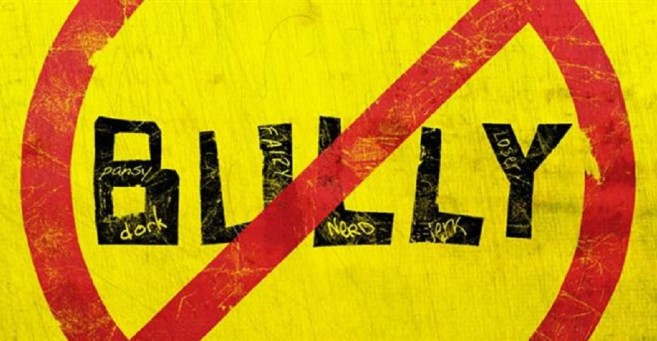
While film-banning and overbearing governments are relatively easy to notice, though, there are more covert forms of film censorship. Consider the Motion Picture Association of America (MPAA) film rating system in the United States. The MPAA’s rating scheme has its benefits, such as identifying which films are appropriate for young children, but the rating system can be a form of censorship. When paired with corporations that will only finance films that can make a profit, an NC-17, R, or even a PG-13 rating can mean the death of an original cut of a feature film (or, at the very least, significantly narrower distribution of the movie). For example, the MPAA initially gave Bully, a socially relevant documentary about the bullying crisis in schools, an R rating. Because of this, younger audiences (to whom the Bullyfilm was most relevant) found it difficult to see the movie. The MPAA then released it as “unrated,” which was hardly a step up (though AMC agreed to show the movie to kids with permission from parents). Finally, after great pressure from celebrities and community leaders, the MPAA lessened the rating to P-13. Still, this shows the impact that ratings can have on distribution.

Even if films weren’t banned, and even if the MPAA (and corporations) lessened their grip on distribution potential, could a film still be censored? Yes. Airplanes and FX. I watched Limitless on an international flight, and the airline deleted a mild love scene. Years later, I attempted to watch Armageddon on FX. It was hard to concentrate amid the barrage of poorly dubbed censor-edits. Since then, I’ve tried to endure similar butchering of The DepartedThe DepartedRentPineapple Express, Mr. Deeds, and Scarface on FX and other networks. Of course, you may be thinking, “Well, Big B, just watch Showtime, STARZ, or HBO if you hate censorship so much.” But my counter-proposal is this: FX and other networks shouldn’t show those movies if they’re going to ignore artistic integrity. There are plenty of PG and PG-13 films with less questionable content—show those. If, as a network, they believe that their audience is mature enough to handle the plot of Pineapple Express, they should assume that their audience is mature enough to handle some strong language.

If I watch a movie on an airplane and entire scenes have been edited out, can I really say that I have seen the movie? If, for whatever reason, I try to watch The Departed on FX in the afternoon, can I really say that I have seen the film that Martin Scorsese created? It’s probably best that we filter what we offer to children, but we needn’t censor so aggressively.

The Favorite Movie Phenomenon: How Much Should Movies Impact Real Life?

How much should movies impact real life? To explain my answer, I have to share my thought process. Bear with me.

About six months ago, I entered the world of online dating. I was lonely and convinced myself that online dating was a step in the right direction. My logic was this: Most people my age meet their boos at bars, but bars are my social kryptonite. Something about the volume sucks the confidence out of me, killing all suaveness. Besides, my ideal meet-cute doesn’t involve vague vomit smells. Coffee shops and bookstores would be perfect for my brand of small talk, but woman aren’t expecting to be hit on while they’re sipping a vanilla latte and thumbing through the latest James Patterson. At least I don’t think so. Either way, I don’t know how to approach someone whose eyes are pinned to a book. It requires interrupting, and it’s awkward.

So I gave online dating a try. Aside from the weirdos, the creeps, and the Photoshopped fabricators, it’s a pleasant environment, like window shopping for companionship. What startled me, however, was the value I placed on my matches’ favorite movies. I found myself naturally drawn to those who listed Wes Anderson, Christopher Nolan, or John Hughes, and I quickly blocked anyone who wrote “all Nicholas Sparks movies.” But was I being too judgmental? How much do movie preferences tell us about a person? How much should movies impact real life?

I’ve bounced back and forth like a pong ball between the idea that movies mirror real life—think Brian Cox’s “Nothing happens in the world?” speech from Adaptation—and the idea that film and TV are more like Huxley’s soma or the escapism noted in Scrubssitcom episode. On one hand, society should hope that movies impact real life; otherwise, documentaries and films like FernGully: The Last Rainforest would serve no purpose. On the other hand, I’d hate to live in a town that used Michael Cera as its moral compass.

Some enjoy framing this conversation as a chicken-and-egg scenario—do movies mirror life, or does life mirror movies?—but that’s ridiculous. It’s both. The two aren’t mutually exclusive, and any nut with a brain and a remote should be able to give examples of each. The question is about the extent to which movies (should) impact our daily lives.

My perspectives are as clouded as any, clouded by my love of Aaron Sorkin and the fact that, perhaps unfairly, I am irked by social conservatives who love Glee and Rent, but I believe that the entertainment industry can do more than entertain. As Good Night, and Good Luck teaches us, televisions and movie screens can and should do more than reinforce escapism.

But if we fully embrace the messages of all films, comedies would be less funny, and horror would be more terrifying—no one would babysit alone ever again.

So there is a middle ground. But the existence of a middle ground shouldn’t be an excuse for moviegoing mediocrity. We should allow ourselves to take lessons from movies, relying on our discretion to guide us. In the same way, it does matter which movies are listed on an OkCupid profile—ideas matter. But people are multifaceted, and a love of The Blind Side doesn’t diminish your time in the Peace Corps.

~Big B

90s Kid’s TV Shows: Why My Childhood Was Better Than Yours

“Music these days is awful. It’s much worse than it used to be.”

“I only like movies made before 1985. Modern films are stupid.”

“Back in my day, food was good and nurturing. It gave us energy. Not like today’s food. You can’t chop wood with a belly full of McNuggets.”

You’ve heard the arguments. Perhaps while at Applebee’s with your moderately hipster friend who takes pleasure in critiquing the barely audible background music. Perhaps on an international flight when your seat-neighbor insists on critiquing your television show selection instead of watching his own screen. Or perhaps at the movie theater when you accidentally sit in front of the loud and opinionated older couple who thought Moonrise Kingdom didn’t appropriately represent the Cub Scouts of America. It’s difficult to escape the judgmental gaze of haters of modernity.
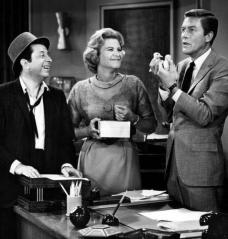
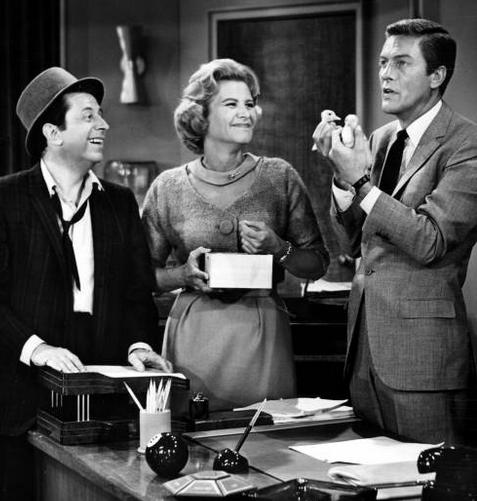
What makes such pretentiousness so frustrating is its commitment to tunnel-visioned subjectivity. First, many of these opinions are fueled by the same visceral nostalgia that connects today’s youth with modern pop culture. You may appreciate The Dick Van Dyke Show (which is a wonderful show), but is your love inspired by the brilliance of Carl Reiner, Dick Van Dyke, and Mary Tyler Moore? Or is it fueled by the fact that The Dick Van Dyke Show reminds you of childhood memories? Though they are not mutually exclusive, there is a difference between nostalgia and critical thought.

Even if hipsters, older generations, and the overly opinionated can swallow the red pill and bypass the temptation to limit criticism to new media, their perspectives of pop culture timelines are often distorted. Pitbull, Katy Perry, and Taylor Swift might not create the most poetically inspired albums, but post-Y2K years are not the only years with arguably bad music. Both Dan Hill’s “Sometimes When We Touch” and Billy Ray Cyrus’s “Achy Breaky Heart” were 90s Billboard hits; “Boogie Oogie Oogie” by A Taste of Honey was a 70s disco success; and Patti Page’s “(How Much Is) That Doggie in the Window?” reached the top of the charts in the 1950s. But a nostalgia-infused lens either eliminates such songs from memory or persuades its wearer that hits like “I Write the Songs” by Barry Manilow—”I write the songs that make the whole world sing / I write the songs of love and special things”—are examples of profound lyricism.

There is one specific type of media, however, that I believe has declined in quality since the 90s.

While all decades contain examples of poor programming, the 90s was the best decade for kid’s television. Television shows for children and tweens had not yet reached their potential before 1990, and shows created after 1999 have been, with several exceptions, meaningless and uninspired. The sighs of relief as our computers continued to operate on January 1, 2000 signaled the beginning of over a decade of mediocre programming for kids.

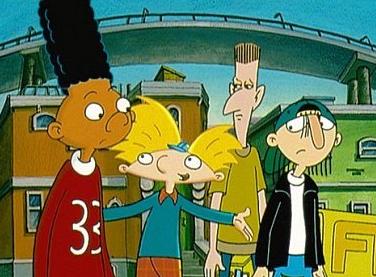
The 90s played host to a variety of intelligent and unique shows for children and young teenagers. Shows like Hey Arnold! and Recess meaningfully and unpatronizingly highlighted the nuances of life as a kid. The protagonists of these shows offered children understandable and often humorous environments in which to consider more profound topics, concepts like divorce, obscenity, multiculturalism, and gender stereotypes. Even secondary characters like Stoop Kid and Swinger Girl, while simple in some ways, contained layers of relatable emotions.
Though not all 90s kid’s shows offered the readily applicable morals of Hey Arnold!, most shows of the decade had something unique to offer. For many, any lack of obvious morality was made up for with bold originality. CatDog featured an anatomically confusing pair of protagonists and an instantly classic theme song; Dexter’s Laboratory introduced an array of fascinating secondary characters and was nominated for four consecutive Primetime Emmys; and The Powerpuff Girls parodied gendered superheroes and had Mojo Jojo.
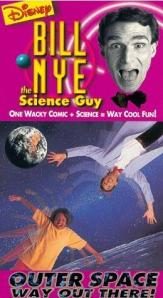
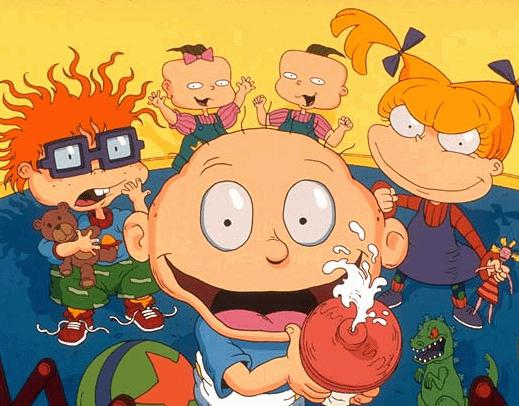
Wishbone, The Magic School Bus, Legends of the Hidden Temple, and Bill Nye, the Science Guy set the standard for educational entertainmentAll That was one of the first sketch comedy shows for kids. Rugrats and Doug became archetypes of kindhearted media for kids. The Big Comfy Couch championed a new generation of imaginative, small-set children’s shows. Animaniacs and Pinky and the Brain uniquely combined academia, pop culture, slapstick comedy, and satire. Goosebumps and Are You Afraid of the Dark? brought the horror genre to kids in a way that has not been done since. Dragon Ball Z and Pokémon peaked in the 90s. And even Mighty Morphin’ Power Rangers, arguably the best of the Power Rangers franchise, existed in the 90s.

Compare these shows with modern entertainment like Dave the BarbarianBrandy & Mr. Whiskers, and The Suite Life of Zack and Cody, and you may notice the difference. While modern music, film, and television programming for adults and older youth are as inspired now as they were in the past, kid’s television shows are not.

More Fan Fiction: Macaroni and Despair

Because of the success of our first attempt at fan fiction, Big B is back with an encore. Find your favorite seat (or sit cross-legged on the floor), pop some popcorn (or boil some vegetables), and enjoy (or not). This piece of fan fiction was inspired by this Kraft Macaroni & Cheese commercial:

The Stranger at My Table

Nelson has just discovered that this father, Harold, has another family. Seemingly unaware of his son’s bewilderment, Harold scoots his chair closer to the table and begins to eat his macaroni one noodle at a time, pausing only to steal more noodles from Nelson’s plate. While Harold eats, Nelson and his son, Tyler, sit motionless at the table. Finally, Nelson speaks.

NELSON

You…you have another family?

HAROLD

(With a mouth full of noodles) Yup.

NELSON

And you decided to tell us on noodle night?

HAROLD

Well, it wasn’t noodle night for me, was it?

NELSON

What do you mean?

Suddenly angry, Harold throws his fork across the room. The fork hits a vase full of white flowers, and the vase falls to the floor, breaking on impact. With wild eyes, Harold turns and points his finger at Nelson. Shocked, Nelson opens his mouth, but no words come out. After a few intense moments, Harold lowers his finger, stands up, and walks toward the broken vase.

HAROLD

You never give me any noodles. Did you see my plate before I stole your noodles? One piece of chicken—that’s all I had. One tiny piece of chicken.

NELSON

Don’t make this about your problems. You have another family!

HAROLD

And they are my first family! My original family. You’re the other family!

NELSON

But—

HAROLD

(Interrupting Nelson) And why do you think I decided to get a second family?

NELSON

I don’t…I don’t know.

Harold leans down as if to pick up the broken vase. Instead, he picks up his fork. He walks to the table and gently places the fork beside Nelson’s plate.

HAROLD

They didn’t give me any noodles either. I had to steal from them every day, and I know they resented me for it. I thought that, maybe, with another family, someone would finally offer me some noodles.

NELSON

(Staring at Harold’s fork) You just wanted some noodles.

HAROLD

I just wanted some noodles—from you.

NELSON

(Speaking quickly; stammeringSit…sit down, Dad. You can have some noodles. I’ll take some more from Tyler, and you can have some of mine. You can have my noodles.

HAROLD

Nelson. My son. It’s too late.

NELSON

But Dad…

Harold begins to walk out of the dining room. Just before exiting, he turns back.

HAROLD

I’m going to find a third family. Maybe they’ll give me some noodles. But a bit of advice: Stop taking Tyler’s noodles. He’ll hate you for it, and you’ll end up just like me.

Harold exits. For a moment, Tyler and Nelson sit in silence. Then:

NELSON

I love him. I should hate that old man now, but—dammit!—I love him.

TYLER

But he stole my noodles!

NELSON

And he stole my heart.

END

~Big B