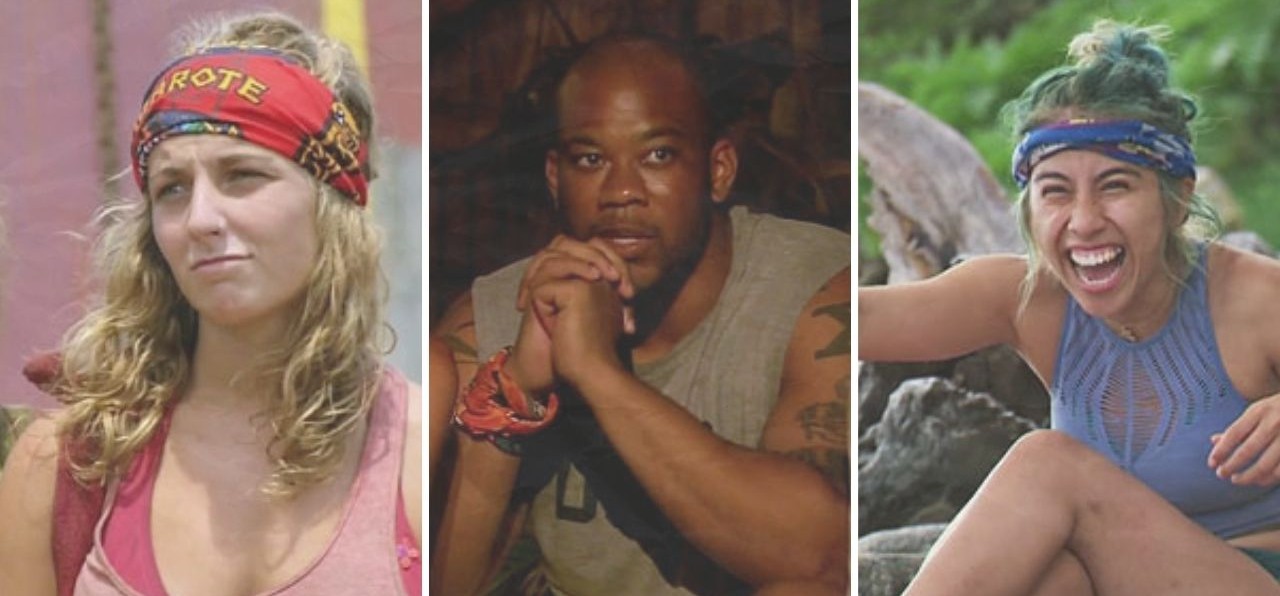
The Most Underrated & Underappreciated Survivor Contestants

A couple years ago, I participated in Survivor Indiana, a fan-made and independently run one-day Survivor-esque competition. The day was filled with tribes, challenges, voting, and puzzles.

I did not do well.

As it turns out, competitions like Survivor—even local single-day versions—require preparation and strategy, and I think every spectator was painfully aware that I didn’t prepare physically or strategically for the event. But despite my sad performance, I did gain a deeper appreciation for the nuances of what it takes to outwit, outplay, and outlast.

Survivor labels itself as the ultimate social experiment. If you strip away the glossy set design and the scripted moments of B-roll melodrama, Survivor is a show in which fundamentally different individuals must coexist in close quarters, navigating the vicissitudes of human nature while hungry, stressed, and physically exhausted. Even if some moments are edited for the audience, the emotional outbursts and bitter tears of contestants are undoubtedly real. Her Campus writer Riya Bhullar explains this well:

Survivor . . . creates conditions that amplify human behavior. Contestants face limited food, little sleep, constant uncertainty, and the pressure of knowing that someone will be voted out every few days. Under stress, frustrations grow, trust becomes fragile, and paranoia can quickly set in. . . . Players constantly think about how they are perceived by their tribemates, adjusting their behavior to appear trustworthy, likable, or valuable to the group.

Survivor is obviously not the truest test of human nature—non-filmed existence is filled with more profound trials and triumphs—but the long-running reality show does offer intriguing glimpses into the mindsets of people who have been pushed to places that lack comfort, companionship, and predictability.

And the more I watch the show, the more I am drawn to contestants who did not win. Who did not become well-manicured caricatures of struggle and success. Those who did not fit any clear reality television archetype. Those who have not become Instagram celebrities. Those whose faces will never be carved into the Mount Rushmore of Survivor history.

Because, in real life, most of us will not become millionaires. Most of us are not lucky enough (because it is, at least in part, a game of luck) to become Rob Mariano or Parvati Shallow or Dee Valladares.

So here are ten of the most underrated and underappreciated Survivor contestants.

10. Matt Blankinship – Survivor 44
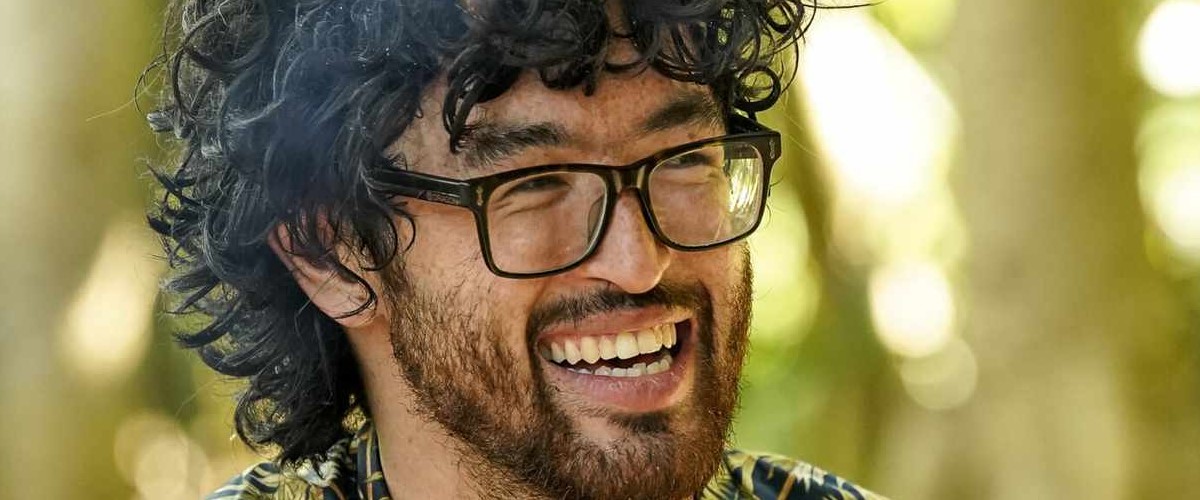
Matt was not a particularly skilled strategist, but his showmance with Frannie Marin was one of the most endearing Survivor relationships in recent history. In the episodes, it’s unclear whether Matt was oblivious to the true social dangers of on-screen flirting or if he simply didn’t care about the consequences, but Matt essentially sacrificed his gameplay for Frannie, which is refreshingly admirable. The shots of him giggling with Frannie about nerd life make Survivor 44 a uniquely heartwarming watch. And throughout this romance, Matt’s tribe managed to win most of their challenges, and Matt made it to the Jury. Most contestants have a stoically tunnel-visioned view of showmances: relationships get you voted out. But Matt ignored conventional wisdom—and he still managed to do pretty well in the game.

9. Jenn Brown – Survivor: Worlds Apart

As a member of both the pre-merge No Collar tribe and the post-merge Merica tribe (which both suffered from absurdly dumb names), Jenn Brown played the game with humor, charisma, and a fair amount of impressive strategizing. Most notably, Jenn organized a force of players to stand against the testosterone-filled alliance of Mike Holloway, Rodney Lavoie Jr., Will Sims II, and the infamous Dan Foley. The misogynistic machismo of those four contestants went mostly unchallenged—at least in the aired footage—so Jenn’s consistently straightforward and often vocalized opposition was one of the best parts of Survivor: Worlds Apart. With the help of Hali Ford and Joe Anglim (and sometimes Shirin Oskooi), Jenn valiantly combatted the vitriolic vicissitudes of Dan and the others. She even managed to singlehandedly orchestrate a blindside to remove one of the alliance’s supporters. In the end, Jenn’s campaign against the Old Man Bro Squad was somewhat unsuccessful, but her efforts should be celebrated nonetheless.

8. Bret LaBelle – Survivor: Millennials vs. Gen X
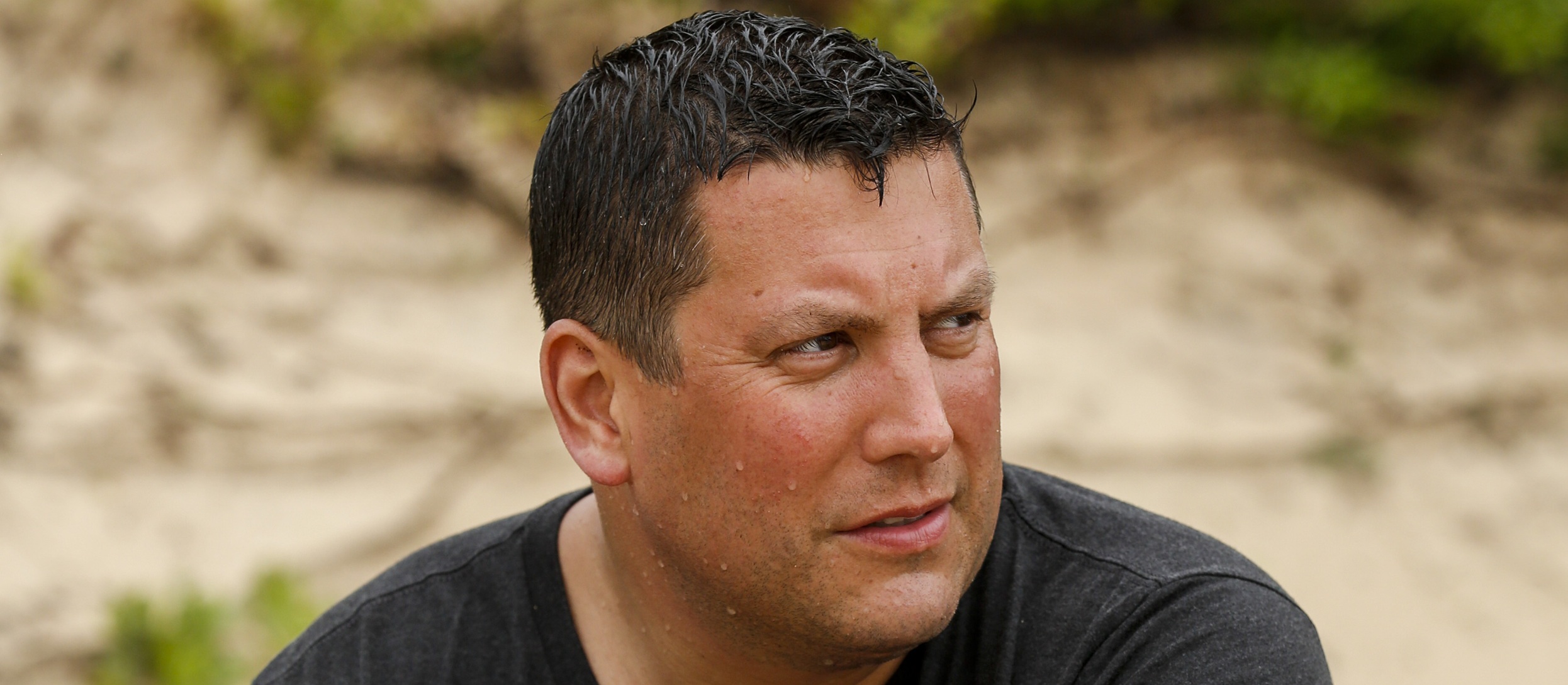
At the beginning of Survivor: Millennials vs. Gen X, Bret positioned himself as a stereotypical pull-yourself-up-by-your-bootstraps 40-something rule-follower, defined only by hard work and loyalty. But as the season progressed, Bret unveiled a surprising amount of nuance. Coming out as gay during a conversation with Zeke was just one of many moments that exemplified Bret’s evolution into a multifaceted competitor. Bret operated across tribal and generational lines, while still remaining loyal to most of his initial alliances, particularly Sunday Burquest. When Bret aligned with Zeke after losing Chris, for example, he remained loyal despite the pleadings of fellow Gen Xer (and eventual Survivor celebrity) David Wright. Bret’s gameplay was not flashy, but it was effective.

7. Kellee Kim – Survivor: Island of the Idols

Kellee played an excellent game: she was an idol-finding queen who helped direct much of the early game’s flow. Were it not for betrayals from Lauren Beck and Missy Byrd (at different times), Kellee would have dominated the post-merge game, given her idol and ability to plan. And the betrayals from Lauren, Missy, and others were no ordinary betrayals: they were absurd moves against a woman who had spoken out against sexual harassment. And those betrayals directly benefitted the perpetrator. Yes, Survivor is game that requires ruthless strategy, but there should be an element of humanity in it. Contestant Dan Spilo had harassed multiple women on the show, and Kellee was one of the only individuals who spoke out against him, even leading to a weak early verbal reprimand from producers. (Dan was eventually removed from the game, but only after he inappropriately touched a producer. Dan should have been removed much earlier.) Survivor is a tough experience already. I assume it’s so much harder to compete effectively when you’re being actively gaslighted by producers and fellow contestants. Kellee was a brilliant competitor, and she deserved better.

5. Michaela Bradshaw – Survivor: Millennials vs. Gen X and Survivor: Game Changers
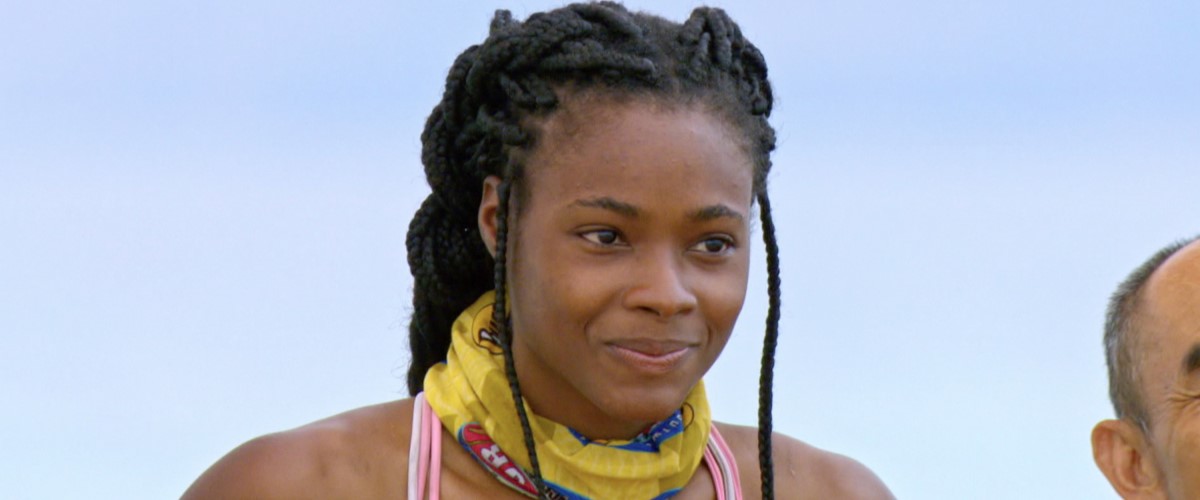
Technically, Michaela Bradshaw may not fit on this list because she was invited back to Survivor a second time for Survivor: Game Changers (meaning that she is not necessarily “underappreciated”), but her elimination from Millennials vs. Gen X left such a bad taste in my mouth that I have to vent somewhere. I will never forgive Jay Starrett and Will Wahl for blindsiding Michaela right before the merge. Having to look at Jay’s smug face in that moment was one of the more unpleasant experiences I’ve had as a Survivor fan. Michaela was athletic, loyal, charismatic, and driven, but Jay’s stubborn, unfounded paranoia robbed Survivor fans of the opportunity to witness a true survivor complete beyond the first half of the game. Here’s to you, Michaela. You’re better than all of them.

5. Kaleb Gebrewold – Survivor 45
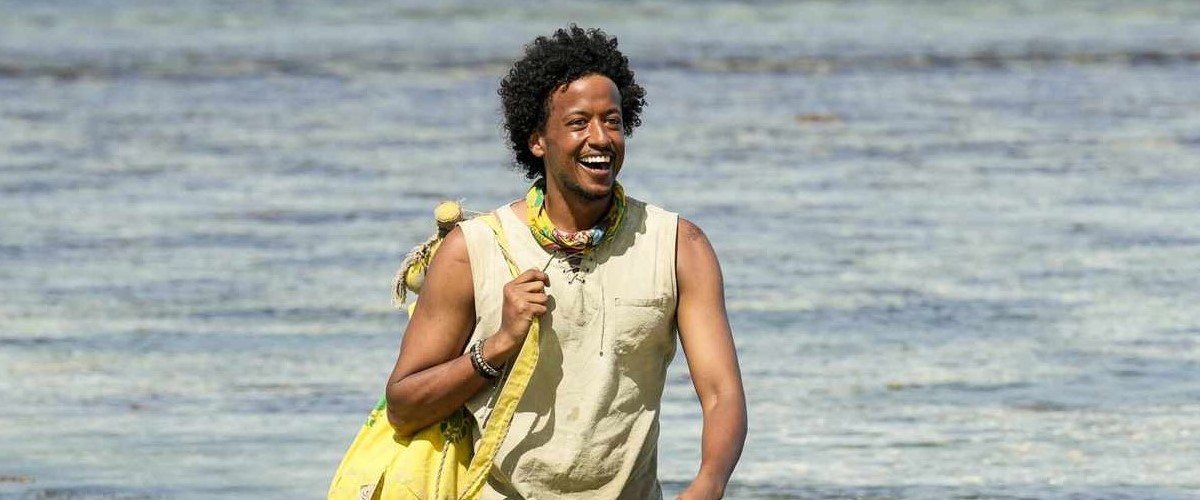
There’s a lot to say about the abysmal performance of Survivor 45‘s Lulu tribe. A literal island of “not Survivor-ly” misfit toys, Lulu was home to several bizarrely ill-equipped contestants, including two players who—at different times—begged to leave the show, one survivor who collapsed during the game’s opening activity (before the actual challenges even began), and Emily Flippen, an intense, socially awkward investment analyst who wasted zero time firing verbal shots at everyone on the island. So as one of the two strategic, socially skilled players on the tribe, Kaleb had his work cut out for him. His impressive charisma and decent athleticism made him a target, but Kaleb had everything it takes to succeed in this game. And he could have gone far if he had been just a bit luckier.

4. Julia Landauer – Survivor: Caramoan
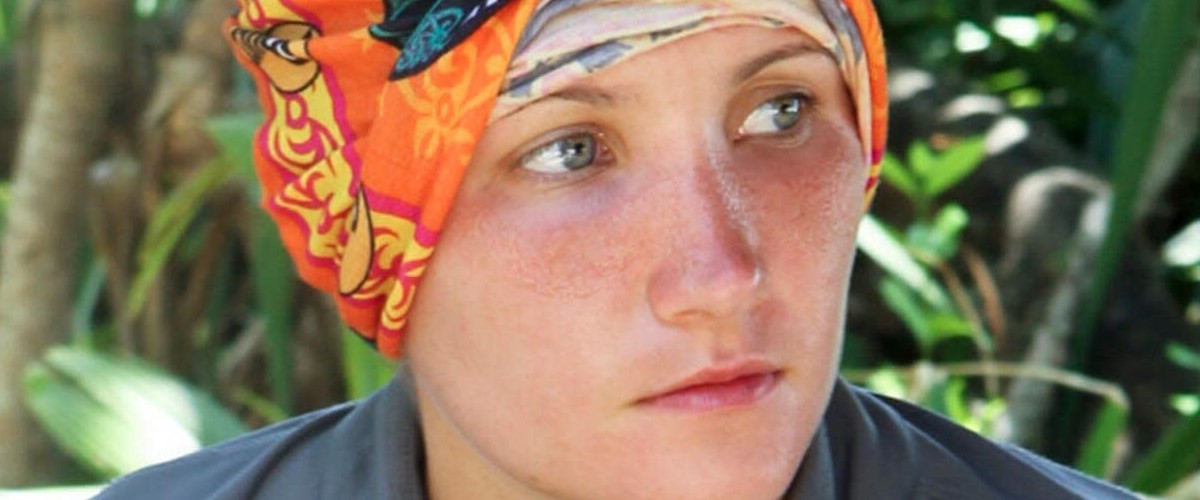
Fellow contestant John Cochran had this to say about Julia:

Julia, on the other hand, is such a non-entity out here. I’m tempted to say that she has like a vanilla personality, but I feel like that would be doing a great disservice to the flavor of vanilla. I mean, people actively seek out vanilla flavored products. Children clamor to get a vanilla ice cream cone. Nobody’s clamoring for anything Julia-flavored.

It’s clever—and the editors of Survivor: Caramoan certainly attempted to reinforce Cochran’s narrative—but it’s not accurate. At least not fully. In a season that included aggressive blindsides, particularly heated arguments, and several moments with real potential for violence between competitors, Julia was one of the few survivors to maintain her composure. While Brandon was screaming, while Phillip was spying, and while Dawn was crying, Julia was quietly playing her game—and she was doing it well. Julia managed to work somewhat successfully with some of the most difficult players on the island. In her pre-show interview with Entertainment Weekly, Julia said she most related to Survivor contestant “Kim Spradlin, because she was very strategic, had few enemies and was a physical threat, all while maintaining her composure.” And that is exactly how Julia played her game.

3. Tevin Davis – Survivor 46
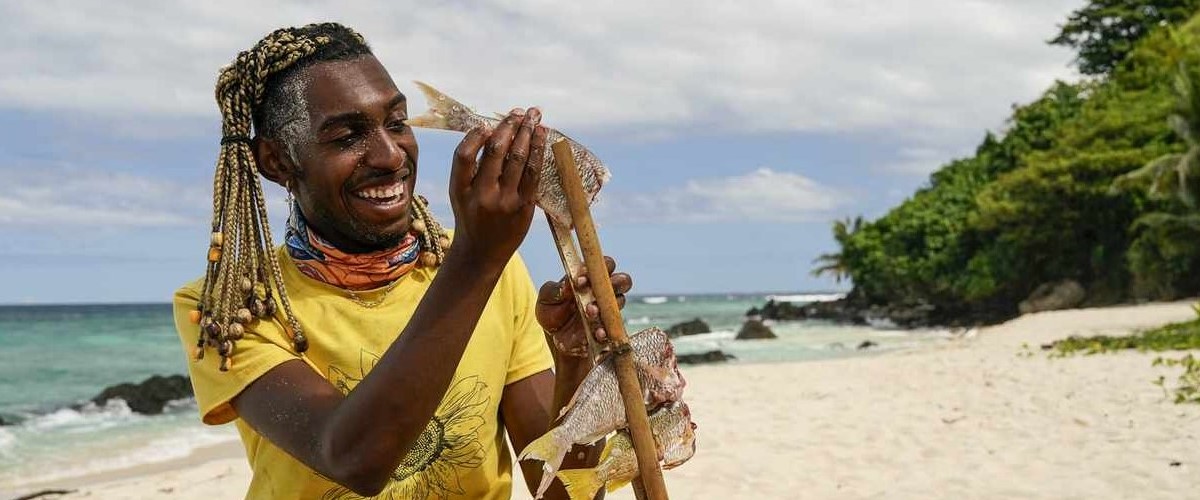
Likeability is a complicated trait. Though likeability can be an asset in life, it is often overrated: likeability does not preclude cruelty, ignorance, or prejudice. In fact, many horrible people shroud their horribleness in layers of shallow likeability. But on Survivor, likeability becomes a measure of tact. In extreme conditions, charisma is often the first thing to dissolve. So if someone can maintain their charm and grace while tired, hot, hungry, and emotionally overwhelmed, they have a mental and social advantage over those around them. This is how Tevin played the game. He helped guide more than one vote, and he was voted out only after a chaotic post-merge live trail deliberation (where others were inexplicably manipulated by Liz Wilcox, the controversial contestant who bragged about not needing money). If Liz hadn’t been able to out-maneuver Hunter in the live trail, Tevin would have had a solid chance of making it to the final three of Survivor 46.

2. Wendy Diaz – Survivor: Edge of Extinction
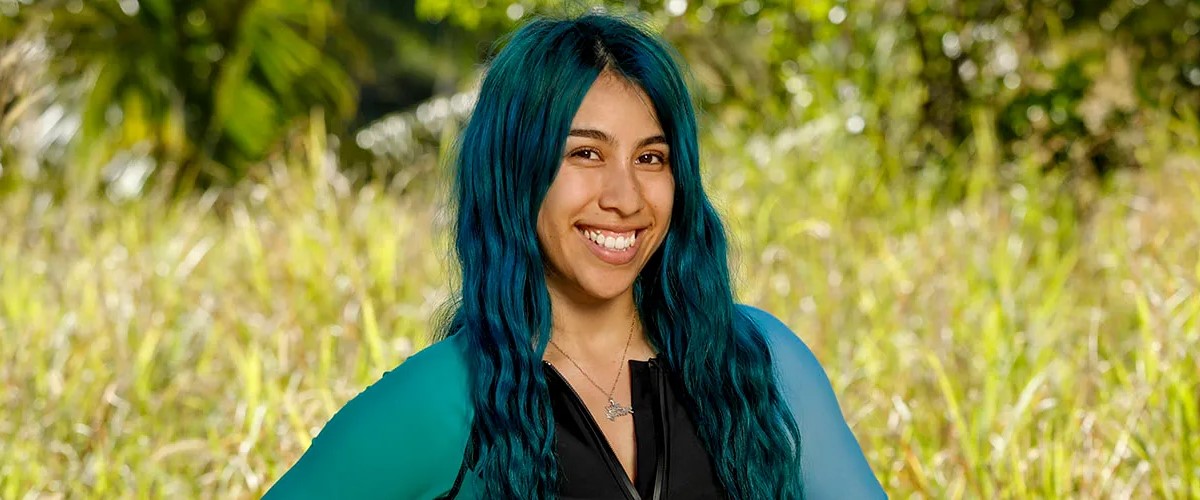
Yes, Wendy stole Manu’s flint and freed Lesu’s chickens—all with bouts of unbridled laughter—but that bewilderingly chaotic energy is exactly what made Wendy such a wonderful competitor to watch. Wendy’s unpredictable gameplay made her a target, but it also arguably kept her in the game through the first Tribe Switch. In fact, Wendy positioned herself well for the Joint Tribal Council, but a tiebreaker re-vote complicated her strategy. Wendy survived the Edge of Extinction and very nearly won the re-entry challenge. The first contestant with Tourette syndrome, Wendy fought harder than most, and she did so without losing her sense of self.

1. Shamar Thomas – Survivor: Caramoan
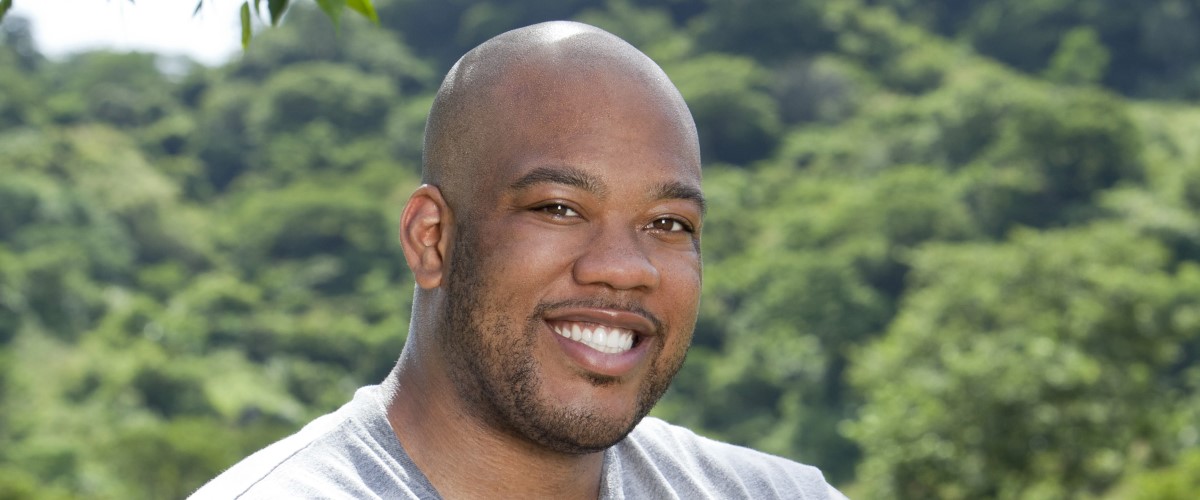
Shamar Thomas is the most misunderstood player in Survivor history. First, some context: Survivor: Caramoan was filled with some of the most superficial, phony contestants in the history of the game, which is saying a lot. I have never hated an alliance more than I hated the initial alliance of Hope Driskill, Allie Pohevitz, Eddie Fox, and Reynold Toepfer. That group—the Quad Alliance from Basic Brand-Name Hell (my name, not theirs)—consistently acted like a group of Greek-life business majors from a Brett Ratner film. Remember the 2013 Funny or Die video where Michael Shannon reads sorority leader Rebecca Martinson’s real-life letter to her Delta Gamma sorority sisters? The one that includes some wildly profane lines? (One of the letter’s milder lines: “Double f***ing newsflash: Sigma Nu is not going to want to hang out with us if we f**king suck!”) Throughout the season, Hope, Allie, Eddie, and Reynold—especially Reynold—gave off such Delta Gamma polite-until-I’m-not vibes that it’s difficult to watch them together on screen. They literally joked on screen about feeling like the cool, popular kids from high school.

All contestants of Survivor: Caramoan contributed to a pre-show Entertainment Weekly piece in which they introduced themselves to fans. Hope used the opportunity to remind us that she’s attractive. Allie talked about her sex appeal. And Reynold—freakin’ Reynold—mentioned that he flirts “like Parvati Shallow” and hates “negative people who feel sorry for themselves.” (Reynold seems like the type of guy who would sleep with your spouse and then tell you that he did you a favor. Strong all-American family-money bitcoin-bro vibes.)

What did Shamar Thomas say to Entertainment Weekly? He said that he related to previous contestant Rupert “because he played the game with honor.” Shamar praised Rupert’s philanthropy: “[Rupert] has also worked with troubled youth. He shares my passion to help the community.” See the difference? As a character on the show, frat-boy-archetype Reynold was the walking personification of classism, arrogance, and white privilege. Shamar, on the other hand, was an Iraq War veteran from Brooklyn whose hobbies included activism and spending time with his family.

In a world filled with Reynolds, be a Shamar.


Ben Boruff is teacher and writer. Read more at BenBoruff.com.

A New Breed of Anti-Wealth Protest Music: Why We Need More of It

[Warning: Though no profanity has been written into this article, many of the songs discussed in this article feature lyrics that contain profanity. Listener discretion is advised.]

During my last semester as an undergrad at Indiana University, I took a course titled The Music of Bob Dylan taught by the great Glenn Gass. The class changed my life. As we moved through Dylan’s discography—from Bob Dylan (1962) to Modern Times (2006)—I gained a more nuanced understanding of the intersections of revolution, social progress, and art. Though Dylan’s relationship with protest music is complicated, his early albums nonetheless help set a standard for anti-establishment songwriting: protest songs can (and perhaps should) be profound, pointed, and unbending. Consider these lyrics from “With God on Our Side,” Dylan’s 1964 folk ballad about the dangers of religious justifications for militaristic action:

But now we got weapons
Of the chemical dust
If fire them we’re forced to
Then fire them we must
One push of the button
And a shot the world wide
And you never ask questions
When God’s on your side

Protest music has evolved since Dylan released The Freewheelin’ Bob Dylan (1963) and The Times They Are a-Changin’ (1964). Folk is no longer the standard-bearer for socially conscious music. (Arguably, hip hop and rap have taken up that mantle.)

But I want to offer a new subgenre of protest music for consideration:

the pop-adjacent anti-wealth anthem

And—though you may roll your eyes at it today—there is one song that perfectly epitomizes this genre: “Thrift Shop” by Macklemore & Ryan Lewis.


Before I explain the countercultural artistry of “Thrift Shop” and similar songs, I want to acknowledge the long history of poignant, socio-politically relevant protest music. What follows is a brief, non-comprehensive overview of protest music by decade and topic. I encourage you to explore these important songs. Then we’ll return to Macklemore and others.

Pre-1960 Protest Songs

Protest Songs from 1960s

Protest Songs from 1970s

  • Big Yellow Taxi” by Joni Mitchell – environmental destruction
  • Don’t Go Near The Water” by Johnny Cash – environmental destruction
  • Ohio” by Crosby, Stills, Nash & Young – governmental corruption, violence, militarization
  • Hurricane” by Bob Dylan – racism, racial profiling
  • Imagine” by John Lennon – materialism, xenophobia, exclusivist religion
  • Inner City Blues” by Marvin Gaye – wealth disparity, socio-economic injustice
  • Man in Black” by Johnny Cash – economic injustice, mass incarceration, war
  • You Haven’t Done Nothin’” by Stevie Wonder – governmental corruption, systemic racism
  • What’s Going On” by Marvin Gaye – police brutality, systemic racism

Protest Songs from 1980s

Protest Songs from 1990s

  • Burn Hollywood Burn” by Public Enemy – racism in Hollywood
  • Changes” by 2Pac – systemic racism, police brutality
  • Killing In the Name” by Rage Against The Machine – systemic racism, police brutality
  • Rebel Girl” by Bikini Kill – sexism, misogyny, homophobia
  • Testify” by Rage Against The Machine – governmental manipulation, oppression
  • The General” by Dispatch – war, violence
  • To the Teeth” by Ani DiFranco – gun violence
  • What it’s Like” by Everlast – poverty, socio-economic injustice, sexism
  • Youth Against Fascism” by Sonic Youth – fascism, racism

Protest Songs from 2000s

Post-2010 Songs About Racism

Post-2010 Songs About Sexism, Misogyny, and/or Reproductive Rights

Post-2010 Anti-Orthodoxy, Anti-Establishment, and/or Anti-Corruption Songs

Post-2010 Pro-LGBTQ+ Songs

A Spotify playlist of all these songs can be found here.


Now back to our new breed of protest music: the pop-adjacent anti-wealth anthem.

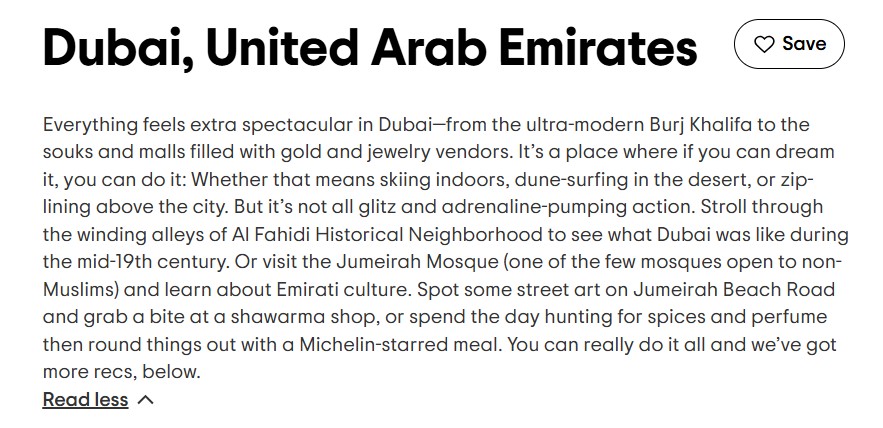
If you search for Dubai on Tripadvisor today, you might see a description like this:

Dubai is often described as a city of “ubiquitous glitz” that “lives and breathes a sense of possibility and innovation.” Some even call it the “most luxurious city in the world.”

But what Tripadviser likely won’t tell you is that Dubai is part of the “most unequal region in the world” in regard to income inequality. In Dubai, migrant workers are manipulated into working in arguably harrowing conditions for extremely low wages—and their behind-the-scenes work is allegedly used to keep Dubai’s public-facing reputation as one of glamour, luxury, and wealth. (Side note: There are undoubtedly many wonderfully compassionate and socially conscious individuals who live in Dubai. This commentary should not be used to villainize the people of Dubai. Dubai’s systemic inequality is the focus here.)

Dubai is an intriguing case study of a more widespread problem: fantasies of wealth that perpetuate systemic inequalities and social injustices. We see this everywhere. From Silicon Valley entrepreneurs embracing bro culture (the “Tech Bro“) to the dark side of glossy social media influencing. From the crypto-obsessed “bro-economy” (the “Finance Bro“) to the insidious “Prosperity Gospel” and all of its various forms. Or, if nothing else, just think of that guy you know who wears khaki shorts, a Ralph Lauren polo shirt, and a TAG Heuer watch—and who spends his time sending unsolicited messages to folks on Snapchat while listening to Joe Rogan and/or Andrew Tate. The common thread: socio-economic elitism bolstered by visions of financial grandeur.

Money is one of the most divisive topics today—a fact that is readily apparent in America’s divided reaction to the arrest of Luigi Mangione. According to a 2024 Pew Research Center survey, economic issues (inflation, healthcare affordability, and the federal budget) are at the top of the public consciousness.

As scores of young men and women hustle forward with hopes of wealth and luxury, income inequality and wealth disparity plague the nation. One important solution is to target the super-rich through policy and satire. But another partial solution is to convince the masses that a lifestyle of extreme wealth, glamour, and luxury is overrated. Often, the pursuit of visible displays of wealth occurs at the expense of socially conscious action, so changing the minds of wannabe Finance Bros and glamour-obsessed influencers could reinvigorate America’s push toward socio-economic justice.

Enter Macklemore.

Macklemore’s 2012 song “Thrift Shop” took thrifting to the top ten of the Billboard Hot 100. It also “topped the R&B/Hip-Hop Songs chart for fourteen consecutive weeks” and “set a record on that chart as the first song to reach two million streams in a single week.” And it contains lyrics like this:

Coppin’ it, washin’ it, ’bout to go and get some compliments
Passin’ up on those moccasins someone else has been walkin’ in
Bummy and grungy, **** it, man, I am stunting and flossin’
And saving my money and I’m hella happy, that’s a bargain, *****
I’ma take your grandpa’s style, I’ma take your grandpa’s style
No, for real, ask your grandpa, can I have his hand-me-downs? (Thank you)

In an era of luxury-chasing consumers and extreme wealth disparity, this is a protest song. Macklemore glamorizes the non-glamorous, and he actively criticizes the type of superfluous consumerism and luxury that operate in contrast to a socially and environmentally conscious lifestyle. Intentionally or not, Macklemore is protesting the perceptions of wealth and luxury that perpetuate poverty and inequality. In a world of Finance Bros, Macklemore is a proud pop-music thrifting king, which is pretty damn countercultural. If you consider economic powers to be as potentially harmful as religious powers, then Macklemore’s “Thrift Shop” is just as socially relevant as Dylan’s “With God on Our Side.”

And Macklemore’s “Thrift Shop” isn’t the only song that challenges the status quo of extreme-wealth hustle-culture glamour. Below are additional songs that represent this new-ish era of anti-wealth protest music.

“Victoria’s Secret” by Jax (2022)

God, I wish somebody would have told me when I was younger
That all bodies aren’t the same
Photoshop itty bitty models on magazine covers
Told me I was overweight
I stopped eating, what a bummer
Can’t have carbs and a hot girl summer
If I could go back and tell myself when I was younger
I’d say, “Psst!

Jax’s “Victoria’s Secret” is an upbeat condemnation of absurd beauty standards pushed by men in the fashion industry. The chorus points a finger directly at men who profit off of the insecurities of women: “I know Victoria’s secret / And, girl, you wouldn’t believe / She’s an old man who lives in Ohio / Making money off of girls like me.” Many artists and activists have criticized greedy fashion companies, but few of those critiques have featured as many catchy verses and memorable beats as Jax’s pro-women anthem. Les Wexner, the businessman who made Victoria’s Secret what it is today, is worth $7.9 billion. Jax’s song protests how Les Wexner made his wealth. And the song’s message apparently resonated with many: the song reached number 35 on the Billboard Hot 100.

“Royals” by Lorde (2013)

But every song’s like
Gold teeth, Grey Goose, trippin’ in the bathroom
Bloodstains, ball gowns, trashin’ the hotel room
We don’t care, we’re driving Cadillacs in our dreams
But everybody’s like
Cristal, Maybach, diamonds on your timepiece
Jet planes, islands, tigers on a gold leash
We don’t care, we aren’t caught up in your love affair

“Royals” came out the same year as “Blurred Lines,” Robin Thicke’s horrifyingly sexist and dangerous song that dehumanizes women (“Tried to domesticate you / But you’re an animal”) and trivializes assault (“I hate these blurred lines / I know you want it”). The music video for “Blurred Lines”—which is just as stupid as the song itself—features Robin Thicke, T.I., and Pharrell Williams dressed in expensive clothes and standing/dancing awkwardly behind models in lingerie. In many ways, “Royals” is the antithesis of “Blurred Lines”: Lorde’s song is a pop-music critique of extravagant displays of wealth and status. Robin Thicke seems obsessed with looking powerful and elite, but that “kind of lux just ain’t for” Lorde and her listeners. (Plus, her music video is infinitely better than the rubbish Thicke’s crew made.)

“Here” by Alessia Cara (2015)

Excuse me if I seem a little unimpressed with this
An anti-social pessimist, but usually I don’t mess with this
And I know you mean only the best
And your intentions aren’t to bother me, but honestly, I’d rather be
Somewhere with my people, we can kick it and just listen to
Some music with a message, like we usually do
And we’ll discuss our big dreams, how we plan to take over the planet

Alessia Cara’s “Here” does not challenge wealth in the way that “Thrift Shop” and “Royals” do, but it nonetheless operates as a commentary on the type of lifestyle that favors expensive thrill over connection. The song is not anti-party or anti-Type-A (though it certainly doesn’t celebrate those things); instead, it is an anthem that celebrates introspection (“we’ll discuss our big dreams”), genuine connection (“Not in this room with people who don’t even care about my well-being”), and independence (“I’m stand-offish”). Consider the non-speaker characters in Cara’s song: a boy “who’s hollerin’,” a girl “who’s always gossipin’ about her friends,” a boy “who’s throwin’ up / ‘Cause he can’t take what’s in his cup no more,” and a girl who is “talkin’ ’bout a hater” (despite the fact that she “ain’t got none”). Now imagine those characters in the wealthy sections of Dubai or in an episode of Keeping Up with the Kardashians, and you’ll understand why Alessia Cara’s “Here” is an anti-wealth protest song like “Royals.” The song’s speaker is a “little unimpressed” with glam-chasing lifestyles and “can’t wait ’til we can break up out of here.” Same, Alessia Cara. Same.

“Thicker Than Dust” by K.Flay (2014)

I’ve got a brand new passion, we found a whole new way to see
Might spend a whole night smashing, wait for the blowback patiently
World never seemed like a fair place, bad people got the nicest things
Same s**t playing on the airwaves, naked girls, diamond rings
All my life been a good kid, so what I got a broken car
Moved my shit out of Brooklyn, laughed out loud, fell apart
Money’s overrated, sex ain’t hard to find
We’re not in love, since when is that a crime

“Thicker Than Dust” comes from K.Flay’s debut album Life as a Dog. Most songs on this album are brilliant, and many of them examine the nuances of camaraderie. But “Thicker Than Dust” provides are more biting commentary: this song directly criticizes traditional expectations of wealth and success. K.Flay doesn’t hold back: “F*** living life in an office” she sings before wondering about the nature of existence (“we look better with the stars out, waking up to go to sleep again”). The song expresses no interest in extreme glamour; in fact, K.Flay’s lyrics actively dismiss it. The song even takes some jabs at music that glorifies wealth: “Same sh*t playing on the airwaves, naked girls, diamond rings.” (Looking at you, Robin Thicke.)

Need for More

The pop-adjacent anti-wealth protest genre is still fairly small, but we need it now more than ever. For every K.Flay, there is a Finance Bro ready to talk about wealth on a podcast. It’s been over ten years since “Thift Shop” was released, and the world could benefit from another upbeat reminder that tunnel-visioned views of wealth, status, luxury, and glamour are overrated—and maybe dangerous.

Know of any other anti-wealth songs? Let us know!


Ben Boruff is a co-founder of Big B and Mo’ Money. Read more at BenBoruff.com.


Bonus Song

“Lifestyles of the Rich and Famous” by Good Charlotte (2002)

Lifestyles of the rich and the famous
They’re always complaining, always complaining
If money is such a problem
Well, they got mansions, think we should rob them