
She-Ra and Catra: An Evolved Hero-Villain Relationship

This article contains mild spoilers.

catradora

Note: Updated on 6/19/24 to remove dead links and update information.

ND Stevenson understands characterization.

Last year, I discovered Nimona, an Eisner-nomated webcomic-turned-novel written by Stevenson about a whimsical, enigmatic shapeshifter who befriends an evil figure with an ultimately good heart. I found Nimona at a secondhand bookstore—the kind of store filled with spine-damaged books and dogeared pages—and I was surprised by the pristine condition of the copy I found. As I flipped through the beginning of the graphic novel, I saw a collection of glossy, well-preserved, wrinkle-free images. In fact, the only blemishes were some cartoon stars drawn in the margins of a page about three quarters through the story. “The previous owner must have liked this page,” I thought.

Later, I reached that star-filled page during my first read-through of the novel. The panels contained profoundly tense moments between Nimona (the shapeshifter) and Lord Ballister Blackheart (the semi-benevolent villain). Genuine heartache and refreshingly nuanced character interactions.

I couldn’t help but add a few stars of my own to the margins.

ND Stevenson understands characterization, and that storytelling skill is evident in his latest creation, Netflix’s 2018 She-Ra and the Princesses of Power. Continue reading
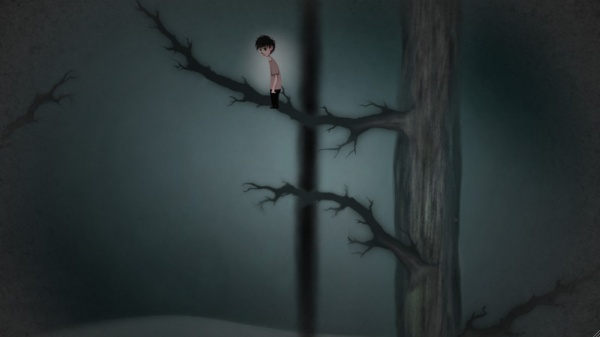
How Indie Video Games Depict Depression, Anxiety, and Grief

Links and videos of several indie games are posted below the article.

elude

Consider author Tom Bissell’s experience with The Elder Scrolls IV: Oblivion as described in his book, Extra Lives: Why Video Games Matter:

Oblivion is less a game than a world that best rewards full citizenship, and for a while I lived there and claimed it. At the time I was residing in Rome on a highly coveted literary fellowship, surrounded by interesting and brilliant people, and quite naturally mired in a lagoon of depression more dreadfully lush than any before or since. I would be lying if I said Oblivion did not, in some ways, aggravate my depression, but it also gave me something with which to fill my days other than piranhic self-hatred. It was an extra life; I am grateful to have it.

I read those words years ago while eating subpar noodles in a building that used to be a Blockbuster Video. The dim restaurant lights shielded me well enough from the gaggle of suburban families that surrounded me, so I hunched my back and unashamedly swallowed Bissell’s words. As a post-college, pre-career teacher wannabe, the 200-plus-page book about the artistry of video games perfectly quenched both my thirst for entertainment and my need to be perceived as an intellectual. But, more importantly, Bissell’s novel, including the excerpt above, connected with a part of me that I did not yet acknowledge: my depression and my (sometimes subconscious) attempts to deal with it. Continue reading